New Roof RI MA

New Roof RI MA


Book a Free Estimate Now

Product(s) of Interest:


Roof Quotes in MA and RI

Current Articles | RSS Feed RSS Feed

New Siding Rhode Island


Is it time for new siding? Rhode Island homes, as with homes throughout the northeast, should be inspected for siding damage and wear periodically throughout the year, and especially after any major storms. Now that winter is over and we’re headed into the warm weather months, this is a great time to inspect your home and look for damage, wear, and other indications that your home may need new siding. Rhode Island is no place to take chances with “iffy”new siding rhode island siding, so really take your time and look over the whole house. If you’re not sure what you’re looking for, you may want to have a siding contractor come do the inspection and teach you what to look for in the future.

How to Inspect Your Siding
When you set out to inspect your siding, the obvious things are easy: big areas of damage, visible rot, large cracks, and other clearly visible problems. But many siding problems aren’t visible at a glance, so it’s important that you inspect your home slowly and thoroughly. The main things you’re looking for are:

Loose siding: If you have loose siding, moisture and pests can get underneath it, which can result in all sorts of costly problems. Some siding can be snapped back into place when this happens, but other types must be repaired or replaced.

Damaged siding: If you see any kind of damage such as chips, cracks, or breaks, you’ll need some new siding. Rhode Island has many reputable, reliable contractors who can assist you in these repairs, but you may be able to handle the minor ones yourself. Just keep in mind that your siding is the first line of defense your home has against the elements. If you’re not sure how to do the repair or whether you should do it yourself, odds are you’ll be better off bringing in a pro.

While you’re performing your inspection, be on the lookout for weak spots that might need repair or replacement down the road. Also look for potential damage. Are your trees overgrown? Is your roofing in need of repair? Are your gutters well maintained? Any of these things can cause damage to your siding, yet taking proactive steps to get these other elements into shape can improve the stability of your home and prevent avoidable damage and costs down the line.

If you are interested in installing new siding, Rhode Island homeowners can contact us at 800-975-6666 or fill out the form on the right side of this page for a free in-home estimate.

New Roofing RI


who need new roofing components or entirely new roofs often try to delay these projects until winter is definitely behind them in order to avoid mid-project weather delays. With (hopefully) nothing but warm weather ahead for the next few months, this is a great time to get moving on those repairs.

How To Hire A Roofing Contractor
As with any home improvement project, obtaining multiple written estimates is always the best and safest course of action, and this is particularly important for homeowners who need new roofing. RI has a government database, available to the pu

new roofing ri

blic at http://www.crb.ri.gov/, where residents can look up individual contractors and ensure that they are in good standing with the state. As well, the site hosts lots of outstanding resources and great information about selecting, hiring, and working with professional contractors. The Better Business Bureau of Rhode Island is another great resource site with excellent information about local businesses and avoiding current, local scams. Between the two, RI homeowners should be able to easily spot any potentially disreputable contractors before hiring them.

While you’re online, run a Google search on the contractors you’re considering, and ask your social network for referrals, recommendations, and warnings via Facebook, Google +, or Twitter. The more information you gather, the better able you’ll be to make an informed decision about which you feel comfortable and confident.

Once you have a list of reputable contractors, obtain no fewer than three written estimates before making a choice. All estimates should be signed and include very detailed information about the work to be done, materials to be used, length of the project, warranty, and post-installation maintenance. Be sure that the estimates are comparable in scope before dismissing any for being much more or less expensive than the others.

Tip: Throughout the process, ask a lot of questions. Contractors who are unwilling to answer your questions about materials, timelines, debris storage and removal, warranties, licensure, insurance, and other integral aspects of their work are contractors with whom you do not want to work. Walk away.

Once you’ve selected a contractor, enter into a contract. Ensure that the contract contains all of the information from the estimate and that the information is the same. Make sure the contractor gives you a signed, dated copy with clear start and end dates. Before the contractor gets started, check online to make sure that the company’s license has not recently been revoked. When a contractor’s license is revoked, the company will still have a physical copy of a license to show you. The only way to know the contractor hasn’t recently run into trouble with the state is to check online or call the board. Protect yourself by taking that extra step before ever signing a contract (or a check!).

For more information about new roofing, RI homeowners can contact us at 800-975-6666 or fill out the form on the right side of this page for a free in-home estimate.


House Roofing Massachusetts


One of the scariest areas to need repair on your house: roofing. Massachusetts and other northeastern states experience such severe weather each winter that their roofs really take a beating, and homeowners cringe at the news that they need roof repairs. Fortunately, routine inspections and maintenance of both your roof and gutters can help keep those structures functioning properly and minimize the risk of damages from both storms and general wear.

Although many people choose to clean and maintain their gutters and roofs themselves, inhouse roofing massachusetts general, you’re better off hiring a professional. Most people simply don’t have the training or experience necessary to catch small problems early enough to remediate them before they become costly issues. Plus, gutter and roof inspections and maintenance are dangerous work. Homeowners are often injured from falls, incur eye injuries and severe cuts, and actually cause damage while attempting this work.

If you choose to work on your own house roofing, Massachusetts homeowners should always remember to obtain proper training first and use all appropriate personal protective equipment. Make sure you have a partner on the ground, and keep an eye out for insect and animal nests. Move your ladder frequently as opposed to over-reaching, and always make sure your ladder is on level ground.

Another way to avoid roof damage is by not only keeping your gutters in good repair but by eliminating the need to clean them altogether. Solid-surface gutter guards are a great option for this. With solid-surface gutter guards, there is no chance of clogs, so water cannot back up from your gutters and onto your roof or into the attic from the eaves. Instead, water sheets over the front edge of the gutters and into the gutters and downspouts via a side opening. It works through the property of water tension, and when installed properly, quality solid-surface gutter guards will virtually eliminate the need to clean your gutters and downspouts.

Additionally, some brands of solid-surface gutter guard offer an optional GFCI-protected, ambient-temperature-sensing, heated cable. This is another great way to protect your house roofing. Massachusetts gets to much snow each year that snow and ice accumulation is a major problem. With this type of heated cable, the snow melts off the roof, allowing it to dry between snowfalls and preventing the gutters and roof from carrying the weight of massive snow accumulation.

For more information on house roofing, Massachusetts homeowners can contact us at 800-975-6666 or fill out the form on the right side of this page for a free in-home estimate.

14 Home Improvements That Can Reduce Your Insurance Premiums


You know which preventive measures to take in order to avoid costly home repairs - like cleaning gutters, sweeping chimneys, and inspecting for termites. But did you know that there are improvements you can make to your home that could actually lower your home insurance premiums?

14 Home Improvements That Can Reduce Your Insurance Premiums 

Image: medyalink.com

Here are 14 of them:

1. Deadbolt your locks. It's much harder for a common thief to get through a door with a deadbolt lock. Be sure to put deadbolts on all of your exterior portals, not just the front and back doors.

2. Put up smoke detectors. These simple, inexpensive devices are widely available and easy to attach to ceilings or walls. This might be the most cost-effective step you can take to reduce your home insurance.

3. Install a home sprinkler system. It's not cheap, but having another fire prevention system in your home may cut your insurance premiums substantially. This option may be especially attractive to people who are building a new home.

4. Bring electrical wiring up to code. If you have an old home, it may be grandfathered into bygone building codes that are subpar by today's standards. Making sure all your wiring is adequate will help prevent electrical fires.

5. Install an alarm system. A monitored alarm system is less expensive than it used to be, and insurance companies tend to give major discounts to homeowners that have one. Modern alarm systems also control lights, climate, and security cameras.

6. Make your windows shatterproof. Instead of standard panes, you can equip your exterior windows with shatterproof glass. These can come in handy if someone tries to break in when you are not at home.

7. Attach burglar bars to windows. They may not be aesthetically appealing, but they may be necessary under certain conditions. Burglar bars also deter would-be burglars from targeting your home in the first place.

8. Put in motion-sensor lighting. You can buy a few stand-alone lights from the hardware store, or install a comprehensive motion-illumination system in your front and back yards. Either way, it will help scare off people who are approaching your home at night.

9. Erect a fence around your pool. Home insurance premiums are determined by more than just safety and security. Putting up a fence around your pool reduces the chance of someone wandering into your yard, falling into your pool, and drowning - and you getting sued for it.

10. Take out the diving board and slide. Many insurance companies don't like the potential safety hazards posed by pool slides and diving boards. Removing these items may reduce your premium a bit.

11. Fill in your pool. If your pool is constantly empty, in disrepair, or unused, consider just filling it in entirely. Often, homes without pools carry lower home insurance rates than those which have pools.

12. Put up storm shutters. If you live in an area that's prone to hurricanes, storm shutters are a good idea. They help protect windows from strong winds and flying debris that are found with these types of storms.

13. Get a new garage door. There are now reinforced garage doors that are available for residents in states that are frequently hit by strong winds or tornadoes. A garage door is often a home's weakest point; and if it collapses, the force of the wind could literally blow a hole in the home's roof.

14. Opt for stronger shingles. Similarly, impact-resistant roofing may be a good idea for homes in areas where hail damage is more common. Some insurance companies might cut your premiums as much as 30% if you install these "super-shingles."

Be sure to check with your insurance company before making any of these improvements to see if they do indeed result in lower premiums for your policy.


A New Roof MA


No homeowner ever wants to have to buy a new roof. MA homeowners, and others throughout the northeast, are particularly hard-hit by this news because the region’s severe weather makes roof replacement an incredibly challenging prospect during the cold winter months. The best thing to do, of course, is try to avoid needing a roof replacement in the first place, and the best way to do that is through proper maintenance and routine inspections.

Maintaining Your Roof

When they find out they need a new roof, MA homeowners really don’t want to hear that it was preventable. That just adds insult to injury. Thankfully, you can avoid this one. Periodic inspections and routine maintenance can dramatically increase the lifespan of your roof and help prevent costly damages. When small issues are identified and corrected in a timely manner, they can’t spread and cause more damage. This, in turn, helps maintain the structural integrity of your roof so that it fares better when severe weather rolls through.

One of the most important aspects of roof maintenance actually takes place just adjacent to your roof, and that’s gutter maintenance. If your gutters are out of alignment, clogged, cracked, or otherwise impeded from doing their job right, they can cause roof damage. Consider this: a clogged gutter fills with water as rain sheets off the roof. Once the gutter is full, the water will overflow and back up. This means the water will either spill over the front of the gutters, saturating the ground around your home, or over the back and up into the eaves, saturating the roof and causing attic leaks.

When gutters spill over the front of your home and saturate the ground, they can cause foundation cracks and leaks. These lead to floods; mold, mildew, and bacterial growth; insect and animal intrusion; and even sinkholes. When they back up onto your roof and into the eaves, you very well may end up needing a new roof. MA homeowners who keep a close eye on their gutters, however, are much less likely to have these problems.

Gutter maintenance is a challenge, however. It’s time consuming and unpleasant, and mostA New Roof MA people tend to put it off as much as possible. There are many gutter maintenance companies that also specialize in roof maintenance. For homeowners who want to stay on top of things without getting on top of a ladder, this is a great option. By contracting with a reliable service provider, you can avoid the dangerous and unpleasant task of cleaning your gutters while also having the peace of mind that comes with knowing a trained professional has thoroughly inspected and performed any necessary maintenance on your gutters and roof.

For more information on maintaining your roof or installing a new roof, MA homeowners can contact us at 800-975-6666 or fill out the form on the right side of this page for a free in-home estimate.

A New Roof Rhode Island


No homeowner wants to hear that s/he needs a new roof. Rhode Island residents who get this news are in a particular bind because northeastern weather makes roof replacement very difficult during the winter months. That makes it doubly important for New Englanders to be vigilant about roof maintenance and periodic inspections, which help keep roofs in better shape and thus reduce the chances of small problems turning into major issues right in the middle of a blizzard.

It’s also very important that New Englanders maintain, clean, and service their gutters periodically. When gutters are left unattended, they can actually cause roof damage. This happens because clogged gutters become weighed down and can pull away from the roof, and they can also overflow, allowing water to back up onto the roof and into the attic, which isA New Roof Rhode Island also a major problem. Ideally, the company that services and inspects your roof will also attend to your gutters, as these elements of your home, while separate, must work in tandem for either to do its job properly.

No matter how attentive you are to maintenance or how often you have your roof inspected, a roof is not going to last forever. Whether due to major storm damage or simply due to age, sometimes you just need a new roof. Rhode Island homeowners who suspect they need (or will soon need) a new roof are best served when they are proactive and address the problem before a major catastrophe happens, and most definitely when they handle things in the warmer months.

Start by calling your gutter and roofing service provider to schedule an inspection and get an expert opinion. Even if there’s a company you use frequently, it doesn’t hurt to obtain a few estimates just to ensure that you are getting a reasonable price and to learn about any options you might have. Talk to other homeowners in your area and see who they’ve worked with on their roofing projects.

Once you have a few written estimates, you’ll be in a better position to move forward with your roof replacement. Keep in mind that there’s something about working with a company you’ve known and trusted for years that you simply cannot put a dollar amount on. So, if your usual provider comes in a little higher than the next team, ask yourself what that peace of mind is worth to you. If the prices are similar, knowing that the people working on your home are trustworthy professionals is always worth a little extra. On the flip side, consider that working with an unknown firm is always a bit of a risk, so take the time to weigh the difference in price and take your time coming to the conclusion that works for you.

Do you need a new roof? Rhode Island homeowners can contact us at 800-975-6666 or fill out the form on the right side of this page for a free in-home estimate.

Roof Estimates RI


The best time to find a service provider to maintain your roof and gutters is long before you think you need one. In an emergency, when your gutters are hanging off the house or waterRoof Estimate RI is flooding in from your damaged roof, you’re not as able to take your time interviewing and researching the companies who respond to your call for roof estimates. RI homeowners may also be severely limited in your choices because the more reputable firms may be booked up, especially if your damage is due to a storm that’s affected many people in your area.

How to Compare Roof Estimates: RI Homeowners’ Guide

Before a storm hits, develop a relationship with a local gutter and roof service specialist. To do this, you’ll need to bring in several companies and ask for maintenance and inspection quotes. The company you choose to handle your routine maintenance and inspections is much more likely to be available for you when a major storm comes through than one you’ve never used before, so it’s a great idea to take the time to develop this relationship. In addition, of course, you’re less likely to need repair work if your gutters and roof are properly maintained between and after storms.

When comparing gutter and roof estimates, RI homeowners have a lot to think about. First, always make sure you’re comparing apples to apples, so to speak. Consider the frequency of service, all included activities, and the quality of the products or materials to be used. Consider also whether the work is guaranteed and, of course, whether the company is properly licensed and insured. You may be  tempted to go with a cheaper “handyman” service, but for gutters and roofing, this is simply not a feasible option. Working on gutters and roofs is dangerous, and you need to know that the people working on your home are not only properly trained and highly experienced but also that they’re insured in the event of an injury or if their actions cause any incidental damages. What would happen if your handyman were injured on your roof or made a problem worse?

After reviewing a few gutter and roof estimates, RI residents may still find themselves confused or unsure which company to call. If the estimates you’re receiving are simply all too different from one another, you may need to get a few more, or you may need to consult a friend or colleague with a bit more experience in this area. Once you do choose a roofing company, you’ll be in great shape when the next storm comes through, knowing your home is in top condition and that you have a reliable team to call if the worst does happen.

For more information on obtaining roof estimates, RI homeowners can contact us at 800-975-6666 or fill out the form on the right side of this page for a free in-home estimate.

9 Spring Cleaning Musts


When the weather turns warmer, flowers start blooming, and days start getting longer. You know what that means - it's time for spring cleaning! Here are 9 "musts" that you should put on your list when it's time to get to work.

9 Spring Cleaning Musts

1. Air Conditioners and Heaters. The first step is to change the filters and clean the vents. Make sure no debris or furniture are blocking the vents. Get your air conditioning unit inspected by a professional to make sure it's running properly before summer arrives.

2. Outdoor Areas. Clear debris out of your gutters and downspouts. Clean the interior and the exterior of your grill and wipe any dirt or grime off of your patio furniture. Then power wash the patio itself and do the same for your sidewalks and driveway if needed.

3. Windows and Doors. Yes, you do have to wash the outsides and insides of your windows (and check the weatherstripping while you're doing it). Then wipe down the outside of your front and back doors to prevent stains from forming.

4. Appliances. Vacuum the coils of your refrigerator. Clean out the lint that accumulates around your dryer and its exhaust system (which is a fire hazard). Inspect the cords and hoses of all of your appliances to make sure they aren't fraying or cracking.

5. Garage. When rummaging through what is lying around in your garage and other storage areas, invoke the one-year rule: if you haven't used it in the past year, then throw it out, give it away, or sell it (excluding tool and emergency items, of course).

6. Kitchen. In addition to sweeping and mopping floors, spray oven cleaner in the oven and clean out the refrigerator and freezer (wiping all surfaces in the process). Wipe down countertops and small appliances, and clean out drawers and cabinets. Finally, take down blinds or drapes and have them cleaned.

7. Bathrooms. Scrub all surfaces inside showers and tubs, and clean toilets thoroughly inside and out. Dust any exhaust fans or vents and wipe down sinks and mirrors. Then clean out medicine cabinets and drawers and wipe those surfaces as well.

8. Bedrooms. Dust everything - from ceiling fans and lamps to nightstands, dressers, and chests. Go through each closet and throw out any clothing that hasn't been worn within the past year. Take all comforters, duvets, bedspreads, mattress pads, sheets, pillows, and coverings and have them washed.

9. Living areas. Clean all carpets and area rugs. Vacuum all of the cushions and pillows in sofas and chairs. Dust all accent tables as well as the entertainment center, and do the same for bookshelves after removing all books. Take down any drapes, valences, or curtains and have them cleaned professionally.


10 Chores for Your First Month of Homeownership


You've just finished moving. Congratulations! It must feel good to be done with negotiating, closing, and relocating, and to have all of your possessions in your new place.

10 Chores for Your First Month of Homeownership But the work isn’t finished yet. Now comes the challenge of turning someone else's former residence into your new home. That means changing, tweaking, and altering many aspects of the home's interior and exterior.

So where should you start? Here are 10 chores to focus on during your first month in your new place:

1. Painting rooms. If you know what colors you want, it's a lot easier to paint rooms which are not yet furnished or only contain boxed items. That way, if you happen to drip a bit, the damage is likely to be minimal.

2. Putting in carpet or flooring. Again, empty rooms present less hassle for pulling up and/or laying down carpeting, wood flooring, or tiling. Plus, the longer you procrastinate on this, the less likely it is to actually get done.

3. Rekeying locks. No matter how sure your realtor or the previous homeowner is about accounting for all house keys, chances are there's still one or two floating around somewhere. So err on the side of caution and ask a locksmith to change all of the locks in your home.

4. Changing or installing fire alarms or carbon monoxide alarms. If they're looking old, it's a good idea to swap out these alarms with new ones (or at the very least change their batteries). Also, check for areas in your home which might need an additional alarm unit.

5. Putting in crown molding. It's a simple touch which adds beauty and value to a room. And it's much easier to move a ladder around a room that isn't fully furnished yet.

6. Configuring closets to fit your needs. Don't feel obligated to accept the closet configurations as they are. Before you stow your clothing in them, put in extra curtain rods, shoe racks, shelves, or cubbies to suit the way you will use your closets on a day-to-day basis.

7. Cleaning gutters. Scrape, spray, or vacuum out the leaves, twigs, and other debris that could be clogging your gutters. Neglecting your roof's gutters and drainage system could cause water-related problems for your landscaping and foundation.

8. Cleaning the chimney. This may not have been done for some time by the home's previous owners. But it's one of those chores that you should probably hire someone to do for you.

9. Adding or reconfiguring storage areas in your garage. Do you want to park one or more cars in your garage, or do you want to use it as a workspace? The answers to these questions will determine how and where you will store all of your tools, seasonal items, and other miscellaneous stuff.

10. Installing a pet door. Imagine not having to get up every time your dog or cat wants to come in or go out. Pet doors are relatively inexpensive and can be put into walls, doors, or sliding glass panels.

Prioritizing Your Home Repair Projects


It would be nice if the rate of a home's deterioration was uniform, so that it only required the homeowner to budget for one home improvement project at a time. Unfortunately, homes don't always adhere to this pace. This forces most people to prioritize the projects which need to be undertaken without going bankrupt.

Here are some guidelines about how to decide which project should be addressed first -- with the most important ones near the top of the list:

1. Project: Electrical system

electric system

Image credit: www.inspectapedia.com

Potential issues: Shorts in wires which can cause fires, or unprotected breakers or panels which can cause electrocution.

Costs: Initial inspection - $300 to $500. Complete home rewiring - $4,000 to $10,000.

How to know when there’s a problem: Frequently-tripping breakers, lights that dim when appliances are powered up (like vacuum cleaners or blow dryers), or outlets that come loose, reveal wires, or feel hot to the touch.

2. Project: Foundation

foundation

Image credit: www.activerain.com

Potential issues: Cracks in ceilings, walls, or beams all around the home -- none of which can be addressed until the foundation problems are repaired.

Costs: Replacement posts are between $1,200 and $2,400 each, but foundation repairs will set you back anywhere from $3,500 to $20,000, depending on the type and scope of the damage.

How to know when there’s a problem: Cracking, buckling, or bending concrete at the base of the home; posts which are rotted; beams that are split or bowed; evidence of termites (like mud trails or sawdust piles).

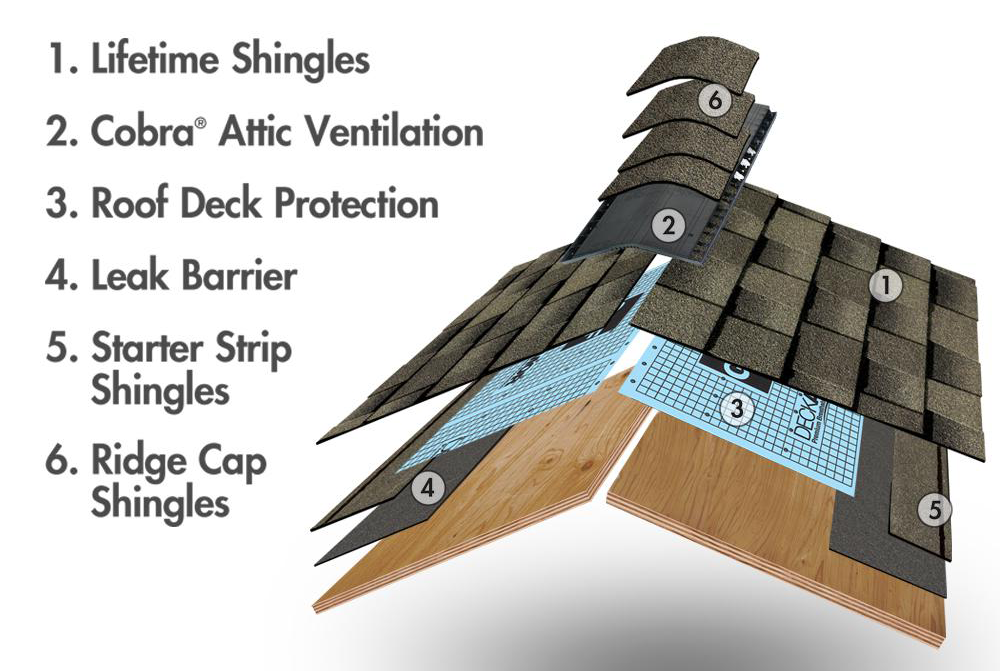
3. Project: Roof

describe the image

Image credit: www.roofrepair-bergencounty.com

Potential issues: Leaking water can cause a host of other problems, such as mold, rot, insect infestations, and electrical shorts.

Costs: Inspections are free, but new roofs can run anywhere between $5,000 and $20,000, depending on the size of your house.

How to know when there’s a problem: Smooth spots on ceilings where granules have worn away; stains, dampness, or growth of green algae on walls or ceilings; broke, missing, or curling shingles; presence of animals in attic or ceiling

4. Project: Gutters

gutter

Image credit: www.ct1ltd.com

Potential issues: Leaky or malfunctioning gutters can lead to water runoff falling near your home's foundation (see #2).

Costs: Between $1,500 and $3,500.

How to know when there’s a problem: Flooded basements, pooling water around the home's foundation, or gutters that are disconnected, dented, or peppered with holes.

5. Project: Exterior walls

siding
Image credit: www.roofmax.net

All Posts

© 2010 Moon Associates, Inc.